Fukushima > Aizuwakamatsu Castle (会津若松城): The Red-Tiled Fortress Tourists Skip
※Description:
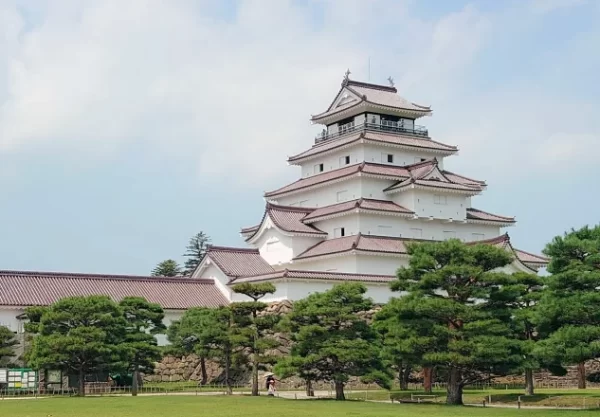
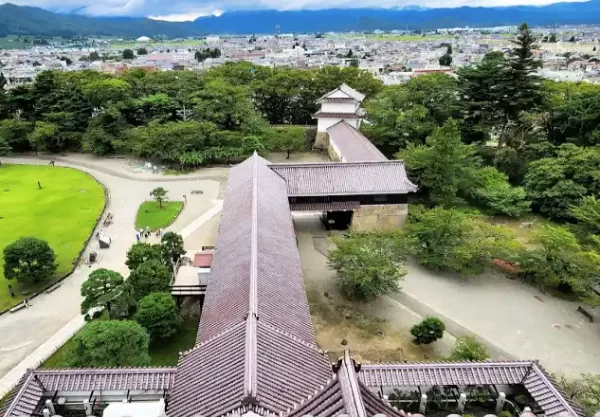
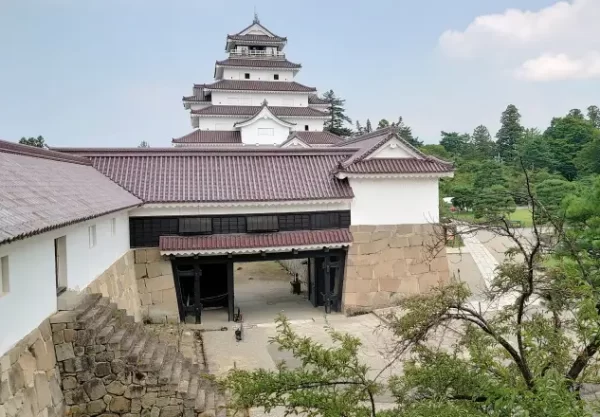
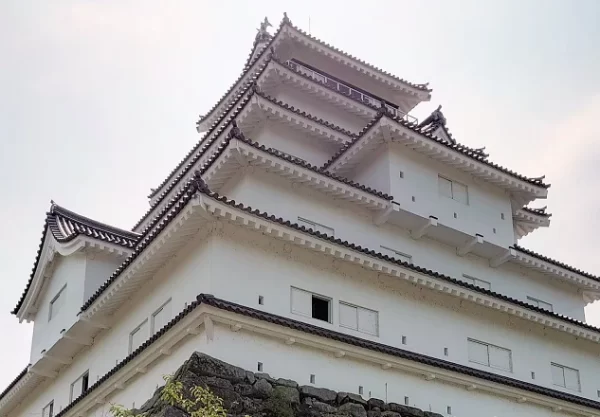
In the heart of Aizuwakamatsu, Fukushima Prefecture, Aizuwakamatsu Castle (会津若松城), also known as Tsuruga Castle (鶴ヶ城), stands as a proud relic of Japan’s samurai past. Its striking red-tiled roof “the only castle in Japan with this feature” sets it apart, while its history of resilience during the Boshin War captivates history buffs. Far less crowded than Kyoto or Osaka’s castles, this fortress offers a serene dive into feudal Japan, with a museum and panoramic views drawing only a trickle of tourists “perfect for a quiet visit”.
A Brief History of Aizuwakamatsu Castle
Built in 1384 by Ashina Naomori as Kurokawa Castle (黒川城), Aizuwakamatsu Castle (会津若松城) became a key stronghold in Tohoku. Renamed Tsuruga Castle (鶴ヶ城) in 1592 by Gamō Ujisato, it served as the Aizu Domain’s heart under the Tokugawa shogunate. During the 1868 Boshin War, it withstood a month-long siege by imperial forces, cementing its legend “a symbol of samurai loyalty”. Destroyed in 1874, the castle was rebuilt in 1965 with its iconic red tiles restored in 2011, reflecting its Edo-era glory.
Exploring the Castle and Surroundings
Aizuwakamatsu Castle (会津若松城) invites exploration with its reconstructed tenshu (天守) tower, housing a museum packed with samurai artifacts and Boshin War relics “a vivid glimpse into Aizu’s past”. Climb to the top for sweeping views of Aizuwakamatsu’s cherry-blossom-lined streets, especially stunning in spring. The Rinkaku Tea Room (茶室麟閣) offers traditional tea ceremonies in a serene garden, a nod to Sen no Rikyu’s legacy. Surrounded by the tranquil Tsuruga Castle Park (鶴ヶ城公園), it’s ideal for peaceful strolls. Unlike Japan’s more famous castles, it sees few tourists, ensuring a calm experience. Nearby, Aizuwakamatsu’s samurai history unfolds at other historic sites.
Nearby Attractions
- Aizu Bukeyashiki (会津武家屋敷): A reconstructed samurai residence showcasing Aizu’s feudal lifestyle.
- Sazaedo Temple (会津さざえ堂): A unique helix-shaped temple from 1796, dedicated to Kannon, where visitors ascend and descend without crossing paths.
- Iimoriyama (飯盛山): A hill honoring the Byakkotai, young samurai who tragically died during the Boshin War.
※NTRanking: 8.0 / 10
Aizuwakamatsu Castle (会津若松城) impresses with its red-tiled tenshu (天守) and rich samurai history, offering a crowd-free experience compared to Japan’s busier castles. Its Boshin War legacy and scenic park add depth, but its slightly remote location keeps it from a higher score.
※How to Get There:
・From Fukushima Station (approximately 1 hour):
Take the JR Ban-etsu West Line from Fukushima Station (福島駅) to Aizu-Wakamatsu Station (会津若松駅), which takes about 50 minutes.
From Aizu-Wakamatsu Station, take the Aizu Loop Bus to Tsurugajo Kitaguchi (鶴ヶ城北口), about 10 minutes, then walk 5 minutes to the castle.
・From Tokyo (approximately 3 hours):
Take the JR Tohoku Shinkansen from Tokyo Station (東京駅) to Koriyama Station (郡山駅), about 80 minutes.
Transfer to the JR Ban-etsu West Line to Aizu-Wakamatsu Station (会津若松駅), about 65 minutes.
Take the Aizu Loop Bus to Tsurugajo Kitaguchi (鶴ヶ城北口), 10 minutes, then walk 5 minutes.
・From Sendai (approximately 2 hours):
Take the JR Tohoku Shinkansen from Sendai Station (仙台駅) to Koriyama Station (郡山駅), about 45 minutes.
Transfer to the JR Ban-etsu West Line to Aizu-Wakamatsu Station (会津若松駅), about 65 minutes.
Take the Aizu Loop Bus to Tsurugajo Kitaguchi (鶴ヶ城北口), 10 minutes, then walk 5 minutes.
※Address:
1-1 Otemachi, Aizuwakamatsu, Fukushima 965-0873